
Platelet-Rich Plasma (PRP) Injections
Harnessing Your Body's Natural Healing Potential
What is PRP?
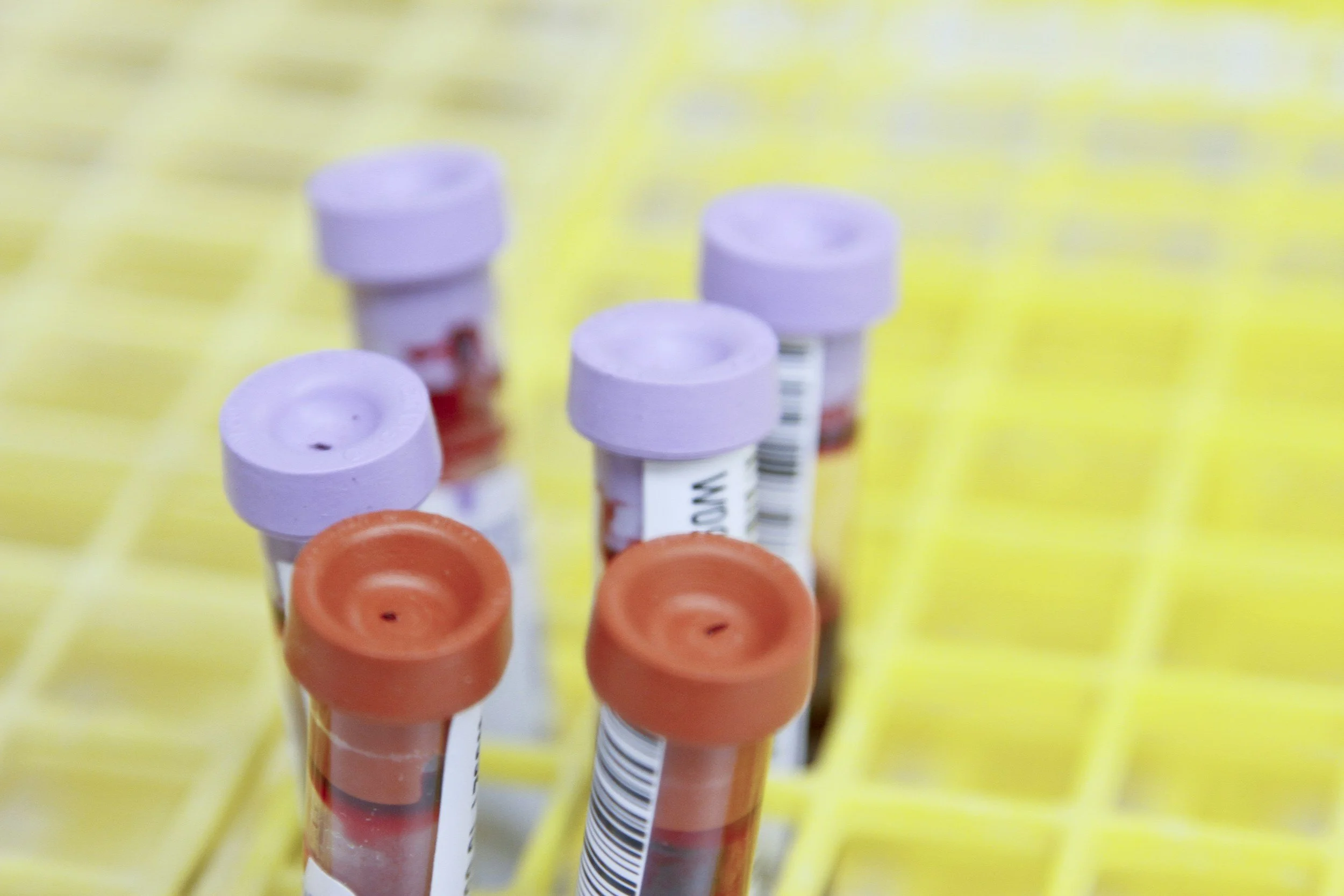
Platelet-Rich Plasma (PRP) is one of the most extensively studied orthobiologic treatments for musculoskeletal injuries and degenerative conditions. PRP is created by drawing a sample of your own blood and processing it to concentrate platelets, growth factors, and other bioactive proteins that support the body's natural healing response.
At IOSD, every PRP treatment is personally performed by Dr. Melanie Worley using advanced processing techniques and precision ultrasound guidance to accurately deliver treatment to the injured tissue. Rather than simply masking pain, PRP aims to support tissue healing in carefully selected patients.
Potential Benefits of PRP
Supports Natural Healing: Derived from your own blood to support the body's natural healing response.
May Reduce Pain & Improve Function: May help decrease pain and improve function in select orthopedic conditions, including certain tendon injuries and mild to moderate osteoarthritis.
Targets the Site of Injury: Designed to support healing at the source of injury rather than focusing solely on temporary symptom relief.
May Help Delay Surgery: May help delay or reduce the need for surgery in appropriately selected patients, depending on the diagnosis and severity of the condition.
Less Downtime Than Surgery: Provides a minimally invasive, non-surgical treatment option that may offer a shorter recovery and less downtime than surgery for appropriately selected patients.
Uses Your Body's Own Biology: Because PRP is prepared from your own blood, the risk of allergic reaction or disease transmission is extremely low.
Complements Comprehensive Care: Can be combined with a personalized rehabilitation program, including physical therapy, activity modification, and other evidence-informed treatments to optimize recovery.
What conditions does PRP treat?
PRP may be used to treat a variety of musculoskeletal injuries and degenerative conditions, particularly when the goal is to support healing, improve function, and help patients remain active without surgery.
Common conditions that may be treated with PRP include:
Joint arthritis, including the knee, hip, shoulder, and other joints
Tendon injuries and tendinopathy, including rotator cuff, tennis elbow, Achilles, patellar, hamstring, and gluteal tendons
Ligament injuries and sprains
Meniscus and other selected joint injuries
Muscle injuries
Selected spine and related musculoskeletal conditions
Not every injury is best treated with PRP. The appropriate treatment depends on the specific diagnosis, severity of the condition, imaging findings, prior treatments, activity level, and individual goals. At IOSD, treatment recommendations are individualized following a comprehensive sports medicine evaluation.
Wondering how PRP compares with a cortisone injection? Learn about the differences in how these treatments work, how long benefits may last, and what the research shows.
Let's Find the Right Path Back to Motion.
Every injury—and every patient—is different. At IOSD, Dr. Melanie Worley takes the time to understand your diagnosis, imaging, activity level, and goals to build a treatment plan designed around you.