
What is Interventional Orthopedics?
Interventional Orthopedics Interventional Orthopedics is a medical field focused on diagnosing and treating musculoskeletal injuries, arthritis, and selected spine conditions using precise, image-guided, non-surgical procedures.
It combines expertise in musculoskeletal medicine with advanced imaging and minimally invasive treatments, including orthobiologics such as platelet-rich plasma (PRP) and bone marrow concentrate (BMAC).
At Interventional Orthopedics of San Diego (IOSD) in Carlsbad, California, this approach is used to help patients understand the source of their symptoms, explore non-surgical treatment options, and stay active whenever possible.
A Different Approach to Orthopedic Care
Many patients with joint pain, arthritis, tendon or ligament injuries, or spine conditions find themselves somewhere between conservative care and surgery.
Interventional orthopedics helps bridge that gap.
Instead of focusing only on symptom relief, the interventional orthopedic approach begins with identifying the specific structures contributing to pain or loss of function. Treatment can then be directed precisely to the affected joint, tendon, ligament, nerve, muscle, or other musculoskeletal structure.
The goal is to develop an individualized treatment strategy based on the diagnosis, anatomy, imaging findings, and the patient's goals.
Precise Diagnosis
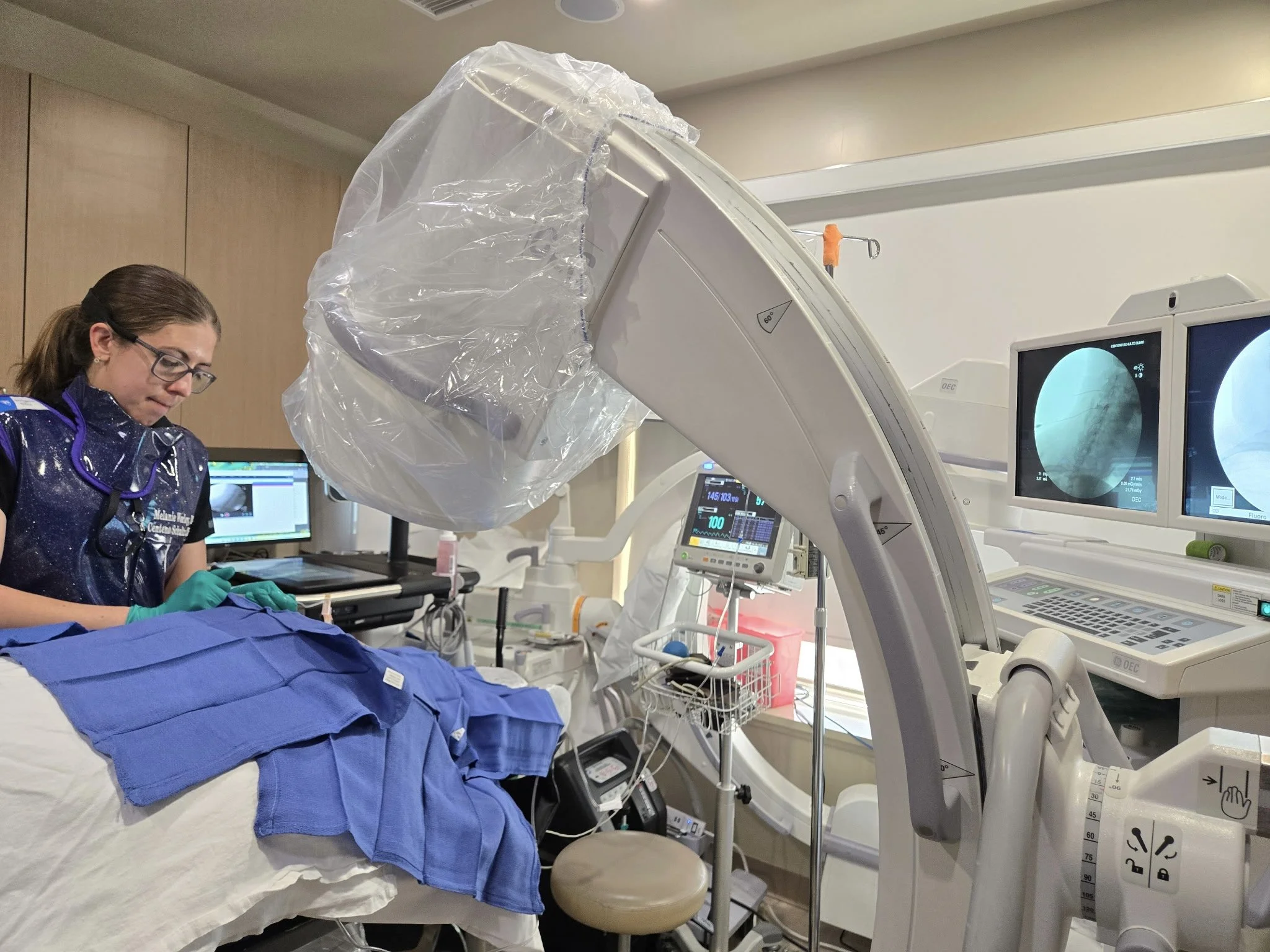
A detailed musculoskeletal evaluation helps identify the structures contributing to pain and impaired function.
Image-Guided Treatment
Ultrasound and fluoroscopic guidance allow treatment to be delivered precisely to the intended anatomical target.
Orthobiologic Options
Treatments such as PRP and BMAC use components derived from the patient's own blood or bone marrow as part of an individualized treatment plan.
Preserve Function
When appropriate, interventional orthopedics provides non-surgical options designed to help patients maintain mobility, function, and an active lifestyle.
How Is Interventional Orthopedics Different From Traditional Orthopedics?
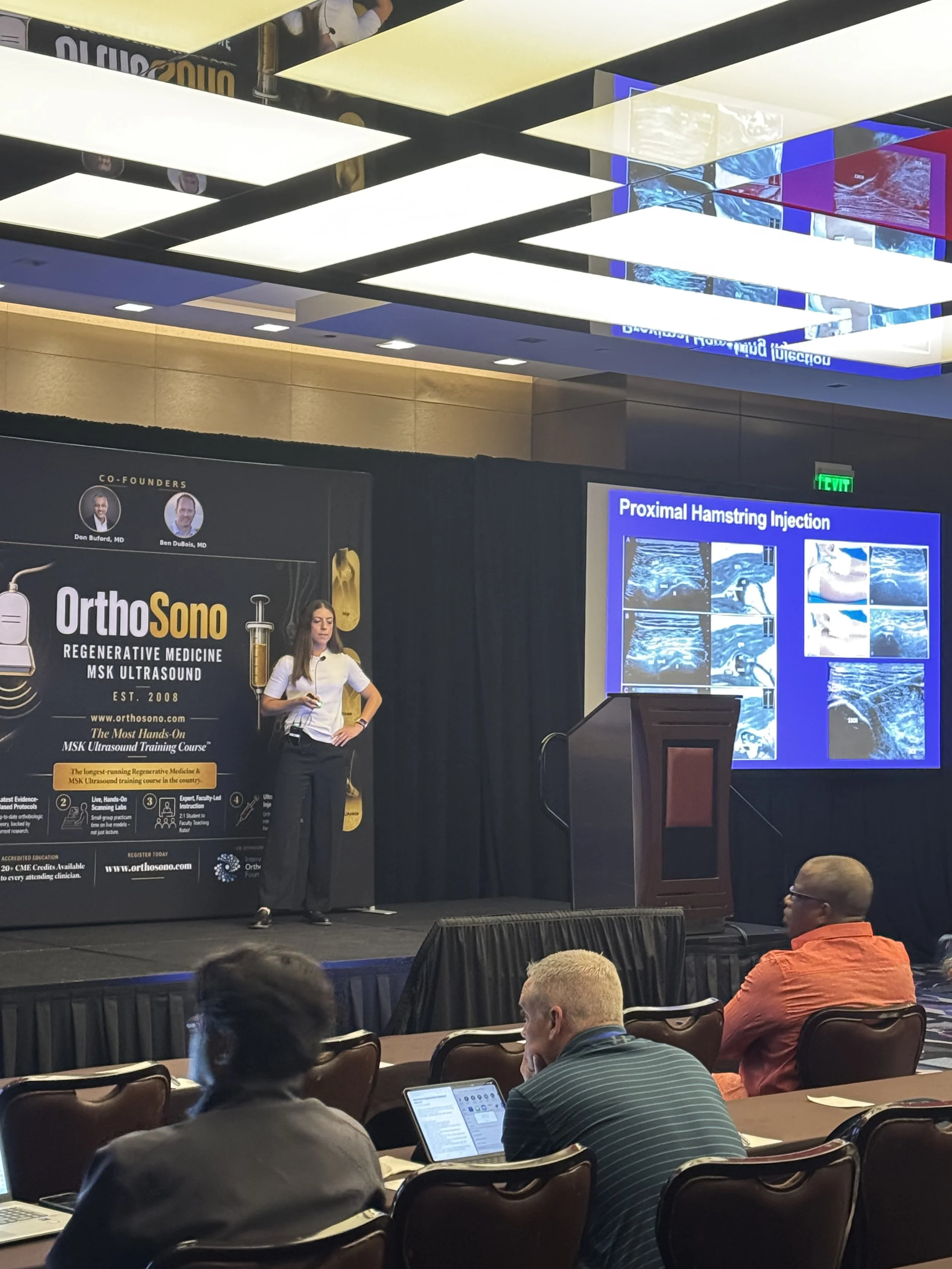
Traditional orthopedic care often focuses on conservative treatment or surgery when those treatments are no longer effective. Interventional orthopedics helps bridge the gap between the two.
It combines detailed musculoskeletal diagnosis with minimally invasive, image-guided procedures designed to precisely treat the structures contributing to pain or loss of function.
Treatment may include orthobiologics such as PRP or BMAC, ultrasound- or fluoroscopy-guided procedures, and other targeted non-surgical treatments.
Some orthopedic conditions still require surgery. An important part of interventional orthopedic care is determining which patients are appropriate for non-surgical treatment—and which are not.

What Can Interventional Orthopedics Treat?
Interventional orthopedics may be considered for a wide range of musculoskeletal conditions:
Arthritis & Joint Pain
Including osteoarthritis and other painful joint conditions.
Sports & Soft-Tissue Injuries
Including selected tendon, ligament, muscle, and other sports-related injuries.
Spine & Nerve Conditions
Including selected cervical and lumbar spine conditions and peripheral nerve disorders.
Is Interventional Orthopedics the Same as Regenerative Medicine?
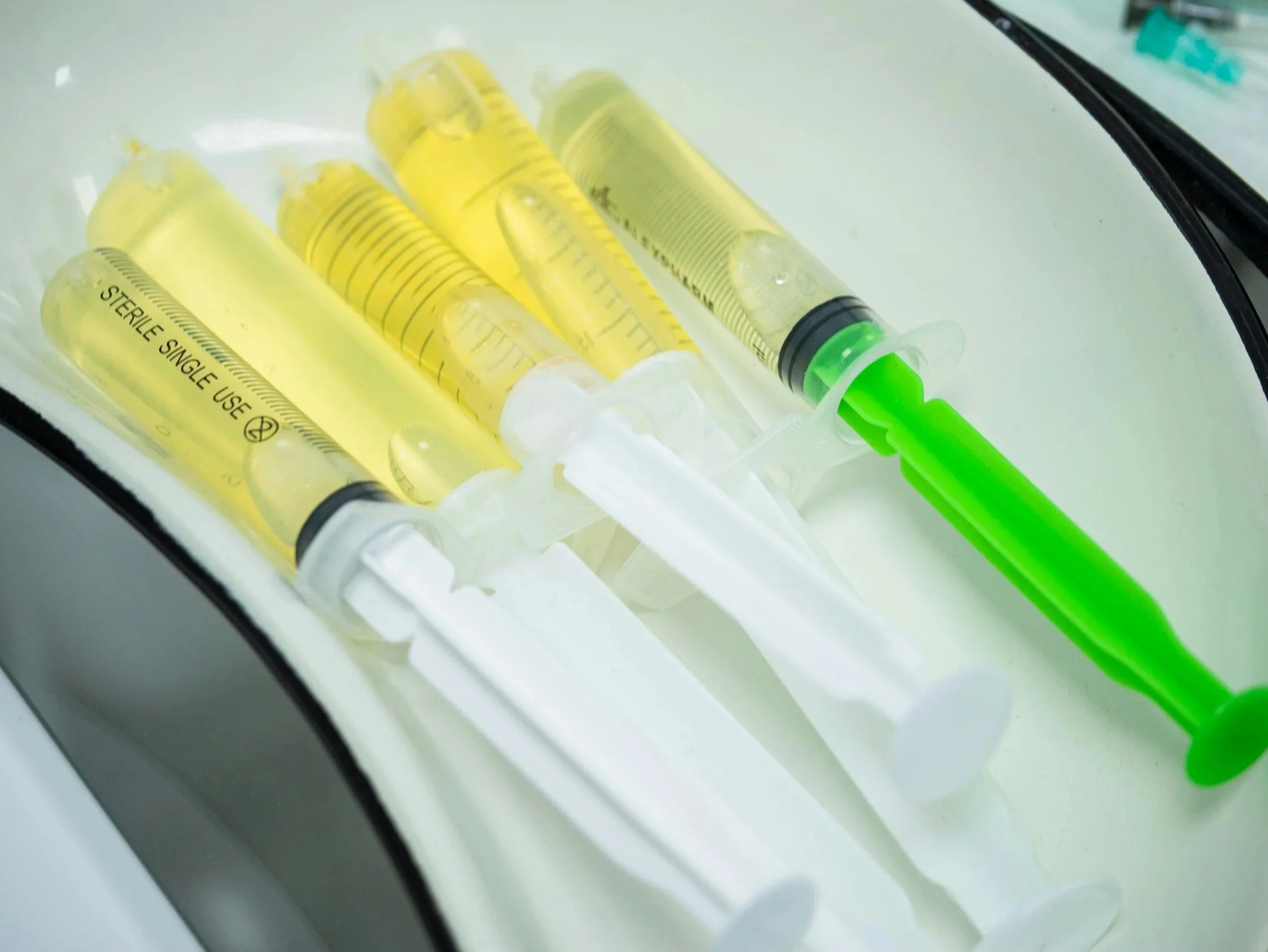
Not exactly. “Regenerative medicine” is a broad term that is sometimes used to describe treatments such as PRP.
Interventional orthopedics is a more comprehensive approach that combines musculoskeletal diagnosis, advanced imaging, image-guided procedures, and evidence-informed orthobiologic treatments.
The treatment itself is only one part of the process. Choosing the right patient, identifying the right target, and precisely delivering treatment are equally important.
Let's Find the Right Path Back to Motion.
Every injury—and every patient—is different. At IOSD, Dr. Melanie Worley takes the time to understand your diagnosis, imaging, activity level, and goals to build a treatment plan designed around you.